Crafting Valentine's Love & Lovers Designs
In the world of visual communication, a single VALENTINES CARD can convey profound emotions instantly, bridging the gap between digital aesthetics and human connection. For designers, capturing the essence of LOVE and the bond between LOVERS requires more than just red hearts; it demands a strategic approach to typography, color theory, and composition. Whether you are creating a high-end brand identity or a personal greeting, the quality of your creative assets defines the impact of your message.
The Role of High-Quality Assets in Modern Design
Effective graphic design relies on the precision of its components. When working on projects centered around romance and celebration, having access to professional-grade digital graphics is essential. These assets serve as the foundation for everything from logo design to complex editorial layouts. A well-curated set of elements ensures that your visual hierarchy remains intact while allowing for scalability across various mediums.
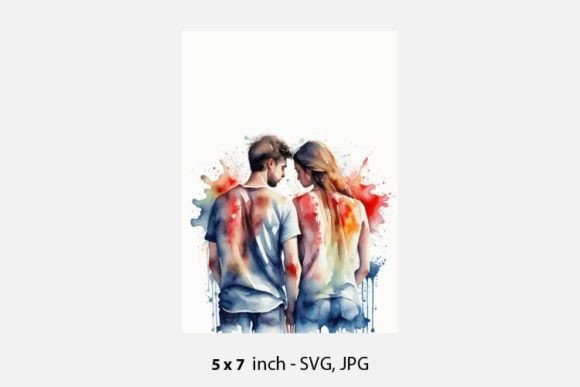
Consider the technical specifications required for professional print and web applications. An artboard size of 5x7 inches is a standard format for cards and invitations, offering a perfect canvas for storytelling. To ensure crisp output, a resolution of 300 dpi is non-negotiable for print materials. Furthermore, utilizing an RGB color palette allows for vibrant digital displays on social media and websites. By providing files in both SVG and JPG formats, designers gain the flexibility to scale vector graphics infinitely for large-format decor while maintaining pixel-perfect raster images for immediate use.
Practical Applications Across Creative Industries
The versatility of these design elements extends far beyond simple greeting cards. They are powerful tools for enhancing brand identity and user experience across multiple sectors:
- Branding and Logo Design: Incorporate romantic motifs subtly into logos for boutique florists, wedding planners, or jewelry brands to evoke warmth and trust.
- Marketing Materials: Use high-resolution imagery for brochures, flyers, and direct mail campaigns to capture attention during peak seasonal periods.
- Social Media Graphics: Create engaging posts and stories that resonate with audiences, driving engagement through visually appealing content.
- Web and UI Design: Enhance landing pages and e-commerce sites with cohesive visual themes that guide users toward conversion.
- Editorial and Print Design: Elevate magazine spreads, book covers, and newspaper supplements with sophisticated layouts.
- Packaging Design: Transform product boxes into memorable unboxing experiences using custom patterns and typography.
- Merchandise and Handmade Crafts: Apply designs to tote bags, mugs, and handmade items to create unique, marketable products.
Optimizing Your Design Workflow
Integrating these assets into your workflow requires a keen eye for consistency and readability. When selecting elements for a project, consider how they interact with your existing brand systems. Does the typography complement the imagery? Is the color palette aligned with your brand guidelines? A cohesive visual language strengthens your message and ensures a professional presentation.
Scalability is another critical factor. Vector files (SVG) allow you to resize graphics without losing quality, making them ideal for everything from small business cards to massive wall art. Raster files (JPG at 300 dpi) provide the detail needed for close-up prints like announcements and invitations. Balancing these formats ensures your design remains versatile and future-proof.
Elevating Visual Communication Through Detail
The difference between a generic template and a premium design often lies in the details. Typography plays a pivotal role in setting the tone; elegant scripts can whisper intimacy, while bold sans-serifs declare passion. Color psychology also influences perception—while red is traditional, exploring complementary hues can create a modern aesthetic that stands out in a crowded marketplace.
Furthermore, understanding your audience's expectations is key. A design intended for a luxury wedding invitation will differ significantly from one created for a fun, casual party. By tailoring your creative assets to specific contexts, you enhance user engagement and deliver a more meaningful experience. Whether you are a freelance designer, a marketing professional, or a business owner, investing in high-quality resources empowers you to craft visuals that not only look beautiful but also communicate effectively.
Ultimately, thoughtful design choices transform simple concepts into impactful narratives. By leveraging professional assets and adhering to best practices in visual design, you can create work that resonates deeply with viewers. From the first glance at a Valentine's card to the lasting impression of a branded campaign, every element contributes to a story of connection and creativity.