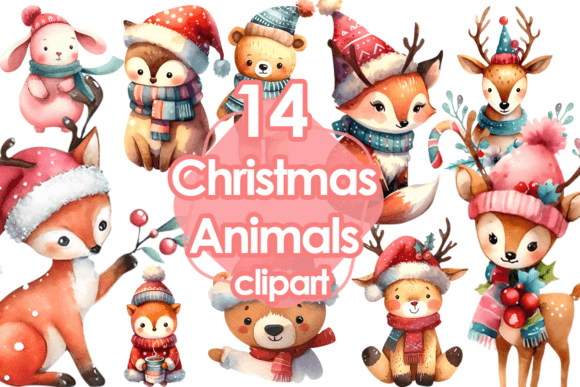
Watercolor Christmas Cute Animal Clipart: A Guide to Quality and Usage
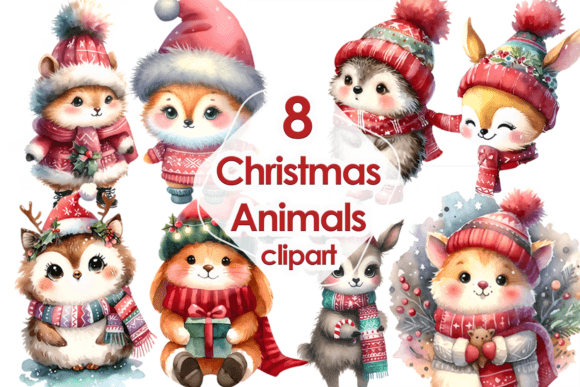
There is a distinct charm in the soft, bleeding edges of watercolor art that digital vectors often struggle to replicate. When you combine that organic texture with the whimsy of holiday creatures, you get Watercolor Christmas Cute Animal Clipart, a resource that can elevate everything from a personal scrapbook to a professional marketing campaign. This specific collection features fourteen high-resolution elements, including a fox, hare, rabbit, chipmunk, hamster, bear, penguin, deer, and lama. Each character is rendered with the delicate transparency and color variation that defines true watercolor painting, making them ideal for adding warmth to your seasonal projects.
However, simply downloading a file does not guarantee a successful design outcome. Many creators rush into purchasing or using clipart without understanding the technical specifications required for different applications. The difference between a crisp, professional print and a pixelated disappointment often lies in the details that are easily overlooked during the selection process. Let's explore how to navigate these common pitfalls and ensure your creative work looks exactly as intended.
Understanding Resolution and Print Requirements
One of the most frequent misunderstandings among hobbyists and even some professionals involves image resolution. You might see a thumbnail of a cute watercolor deer on a website and assume it is ready for large-scale printing. In reality, low-resolution images look fine on a screen but fall apart when printed. This specific pack addresses that concern directly by offering files at approximately 20×20 inches, 6000 x 6000 pixels, and 300 dpi. These specifications are critical because they ensure the image remains sharp whether you are printing a small greeting card or a large fabric pattern.
The mistake many make is scaling an image beyond its native resolution. If you take a standard web-sized image (often 72 dpi) and stretch it to fit a poster, the result is jagged edges and visible pixels. With this set, you receive multiple size options, including 15×15 inches and 10×10 inches, giving you flexibility without sacrificing quality. Always verify the DPI (dots per inch) before committing to a physical project. For any item that will be printed—be it stationery, invitations, or fabric—the gold standard is 300 dpi. Anything lower risks blurring the fine details of the watercolor washes, turning a beautiful gradient into a muddy mess.
The Importance of File Formats and Transparency
Another area where projects often stumble is the file format. You will receive 14 elements as PNG files with separate images. This is a deliberate choice that offers significant advantages over JPEGs. JPEGs compress data and often introduce artifacts around the edges of the subject, which can ruin the clean look of a watercolor illustration. More importantly, JPEGs do not support transparent backgrounds. If you try to place a JPEG of a watercolor bear onto a colored background, you will likely end up with an unwanted white box surrounding the animal.
Using PNG files allows you to seamlessly integrate these animals into complex designs. Whether you are creating a logo, a photo overlay, or a decoupage piece, the transparency ensures the animal blends naturally with your underlying layers. A common error is ignoring the "separate images" aspect of the download. Instead of one large sheet containing all animals, having individual files allows you to manipulate each element independently. You can resize the fox without affecting the scale of the penguin, rotate the rabbit for a dynamic composition, or layer the chipmunk behind text. This granular control is essential for professional-looking layouts.
Avoiding Common Design Mistakes
Even with high-quality assets, poor application can undermine the final result. One common oversight is treating watercolor textures like flat vector graphics. Watercolor implies fluidity and imperfection. When designing patterns for paper or fabric printing, avoid aligning the animals in rigid, perfect grids. Instead, vary their rotation and spacing to mimic the natural randomness of a painted scene. This approach creates a more organic and inviting aesthetic that resonates better with the holiday spirit.
Color matching is another subtle trap. While the clipart comes in vibrant hues, the colors may shift slightly depending on your printer settings or the material you are using. Before running a full batch of invitation cards or t-shirts, always print a single test copy on the actual substrate you intend to use. A color that looks bright on your monitor might appear dull on textured cardstock. This step saves time, money, and materials in the long run. Additionally, consider the context of your audience. While these animals are cute and playful, ensure they align with the tone of your brand or project. A whimsical watercolor hamster might be perfect for a children's party invitation but less suitable for a formal corporate announcement.
Practical Applications for Creators and Entrepreneurs
The versatility of this clipart set extends far beyond simple decoration. For bloggers and educators, these images can serve as engaging visual breaks in articles or lesson plans about winter wildlife or holiday traditions. Marketers can use them to create unique social media graphics that stand out against the sea of generic stock photos. Small business owners selling handmade goods can incorporate these designs into packaging labels, thank-you cards, or product tags to add a cohesive brand identity.
For those interested in DIY projects, the high resolution opens doors to papercraft and decoupage creations. You can cut out the individual animals to create layered cards, collage art, or even decorate home decor items like wooden boxes or mugs. The ability to print on various surfaces means the possibilities are limited only by your imagination. However, remember that the quality of your output is tied to the quality of your input. Do not compromise on resolution for the sake of convenience. Investing time in selecting the right file size for your specific project ensures that your hard work is presented with the polish it deserves.
Evaluating Your Needs Before Downloading
Before you finalize your decision to use Watercolor Cute Christmas Animals Clipart, take a moment to assess your specific requirements. Ask yourself: What is the final medium? Will this be viewed primarily on a screen or held in someone's hands? How large does the final print need to be? If you plan to use these images for a large banner or a detailed fabric print, confirm that the 6000 x 6000 pixel dimensions meet your needs. If you are only using them for a blog header, the smaller 10×10 inch versions might suffice, though having the larger files provides future-proofing.
Furthermore, check the licensing terms associated with the download. While this description mentions instant download and usage for various projects, always verify if there are restrictions on commercial use, redistribution, or modifications. Understanding the license protects you from potential legal issues and ensures you are using the assets ethically. By taking these practical steps, you move from simply consuming content to strategically utilizing resources that enhance your creative output.
In summary, the value of this clipart set lies not just in the adorable illustrations of bears, lamas, and rabbits, but in the technical quality that supports diverse applications. By avoiding the pitfalls of low resolution, incompatible formats, and poor planning, you can leverage these assets to create stunning, professional-grade designs. Whether you are a beginner exploring your first craft project or an experienced designer launching a new product line, paying attention to these details will make all the difference in your final presentation.